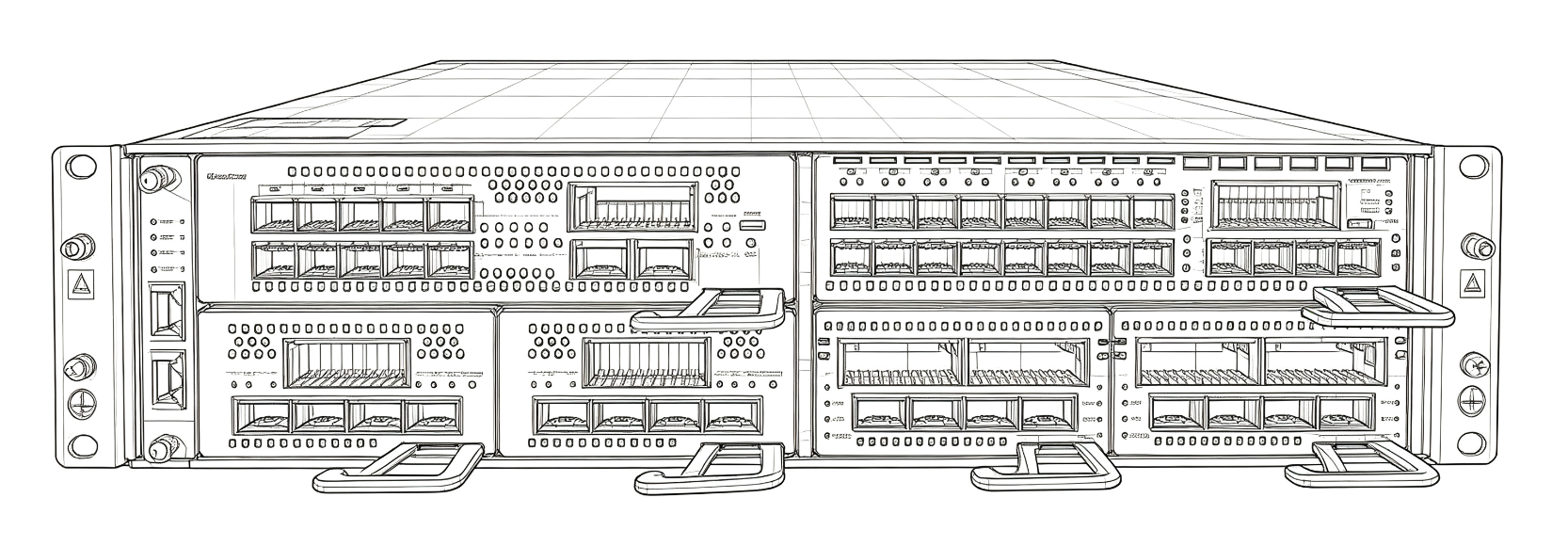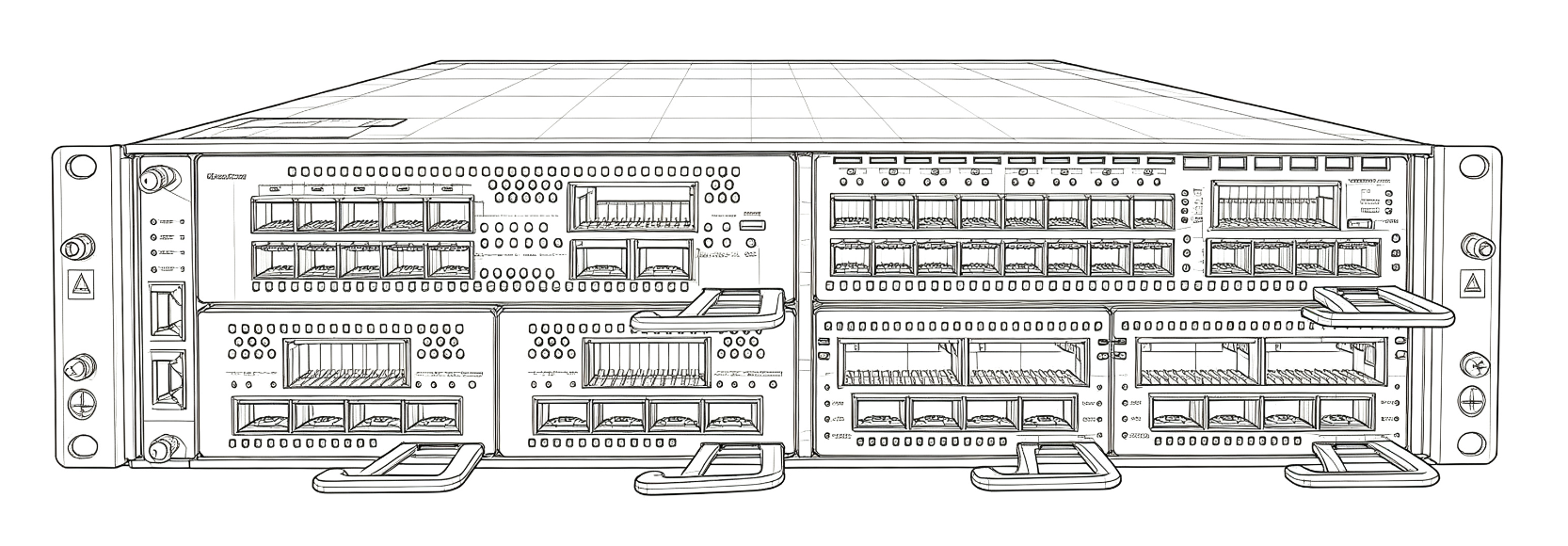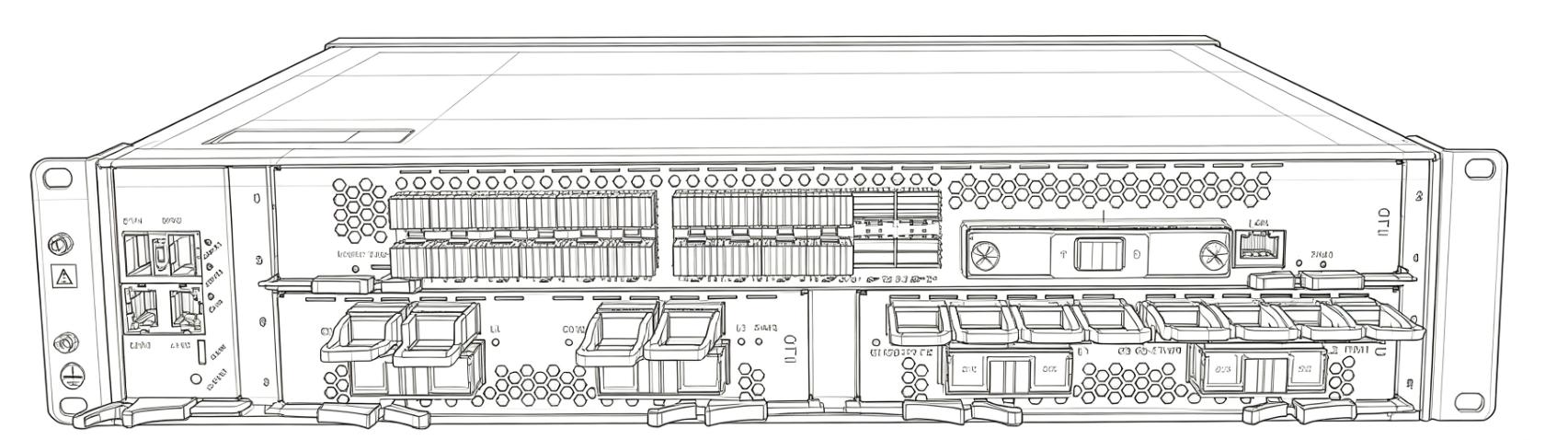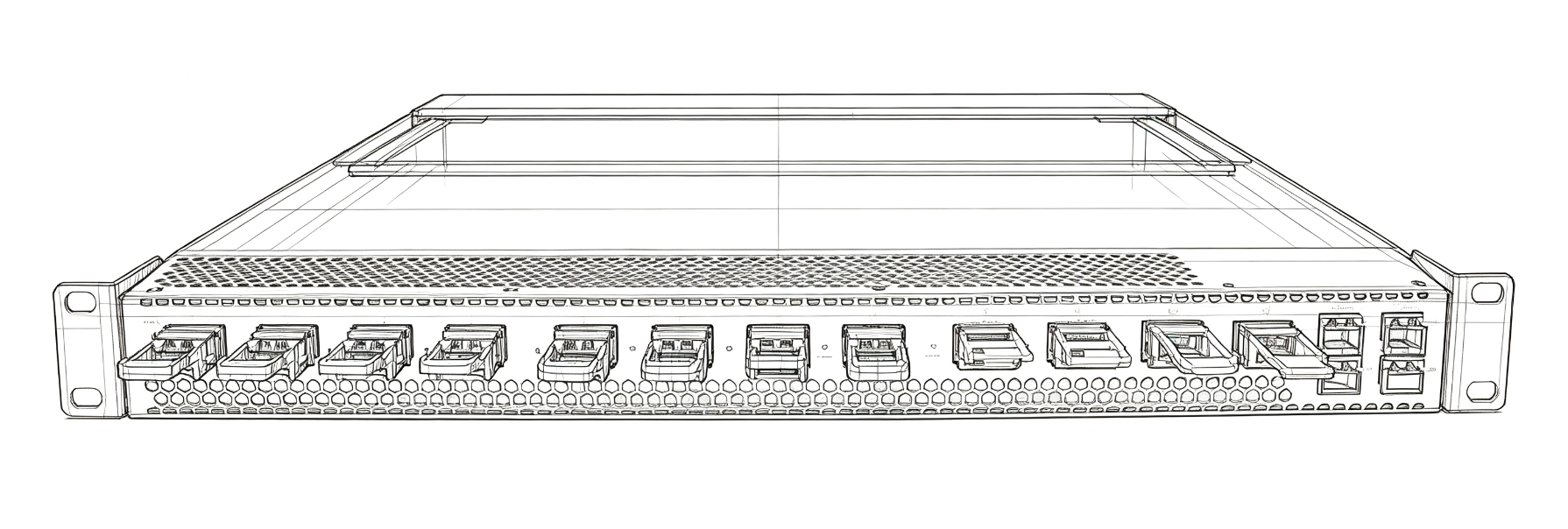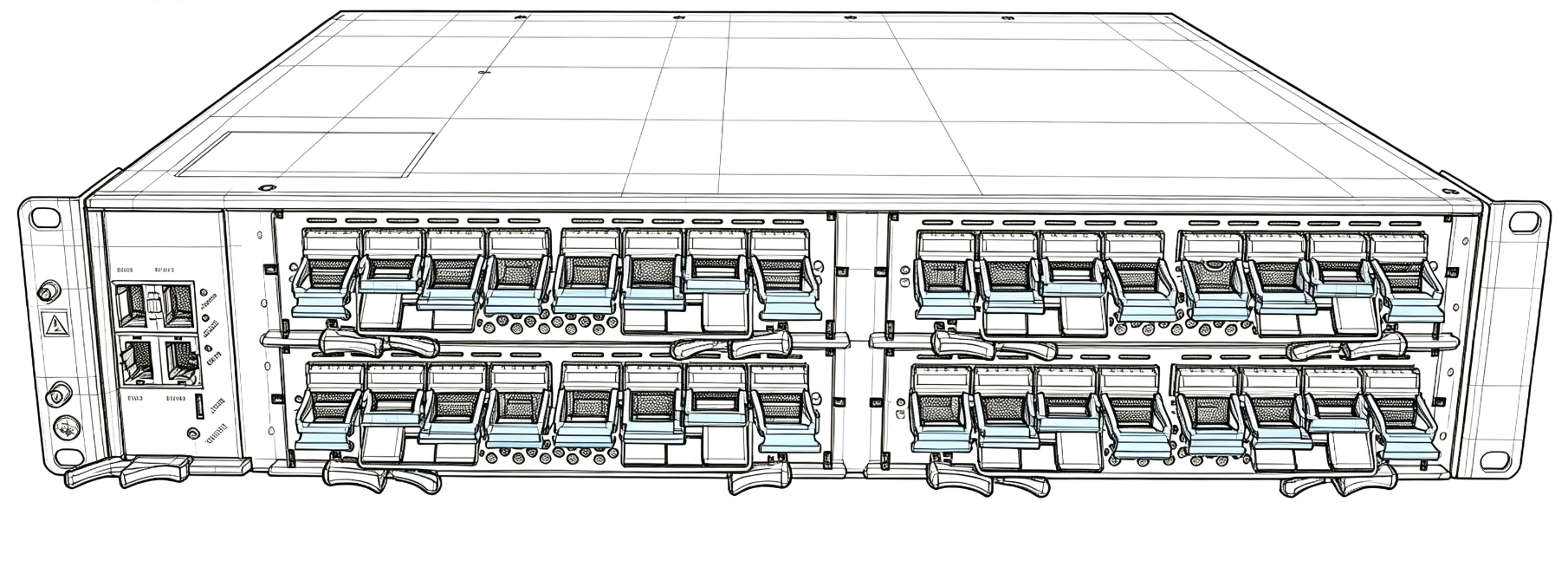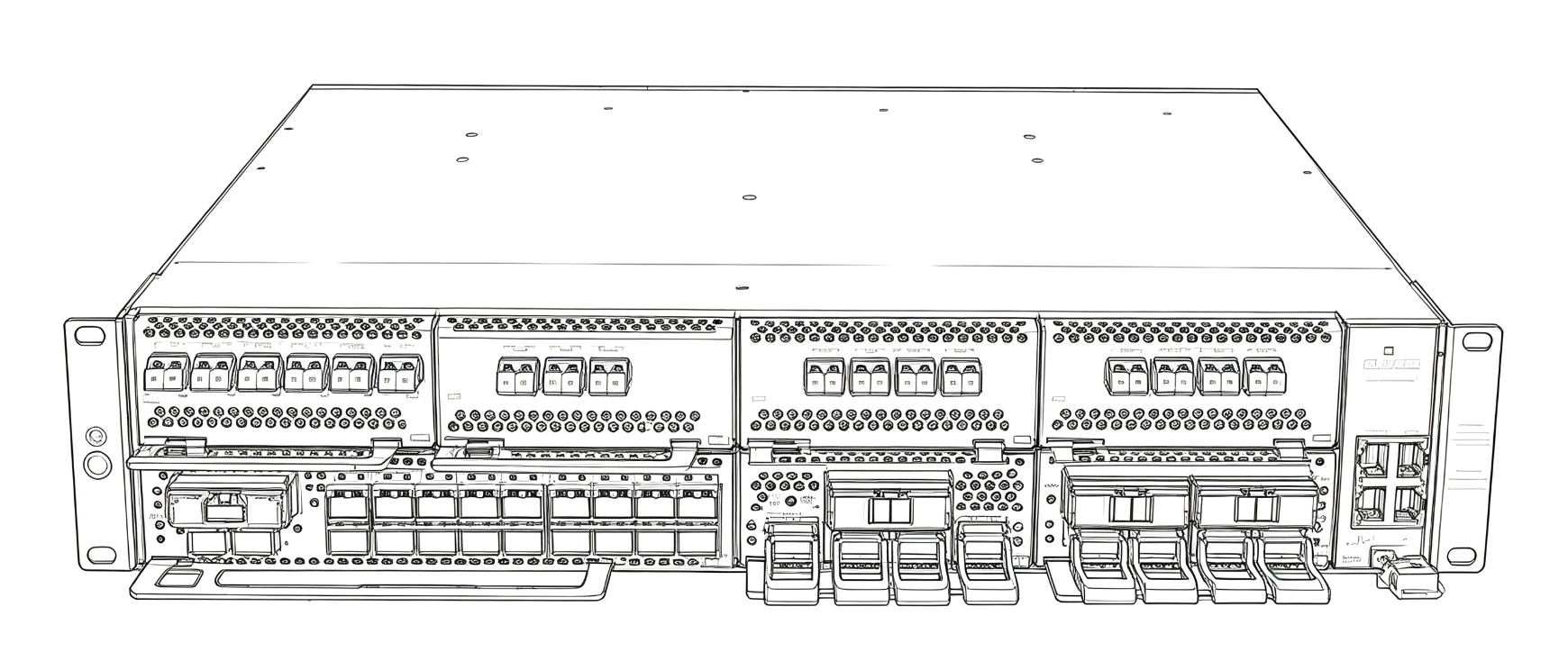
Scenario Overview
With the explosive growth of 5G, cloud computing, and HD video services, traditional fiber resources are rapidly depleting. For campus networks, metro access layers, and data center interconnects, laying new cables is not only prohibitively expensive but also involves lengthy construction approval cycles.
The OTSLink Fiber Capacity Expansion Solution leverages advanced Wavelength Division Multiplexing technology to increase the transmission capacity of a single fiber by up to 96 times without altering existing physical infrastructure. It is the optimal choice for seamless network upgrades, cost reduction, and efficiency improvement.
Customer Challenges
Fiber Exhaustion: All cores in critical links are occupied, blocking new service deployment.
High Leasing Costs: Rising costs for leasing dark fiber from carriers create immense OPEX pressure.
Construction Constraints: Municipal digging bans and congested building ducts make physical expansion impossible.
Space Constraints: Limited rack space in equipment rooms cannot accommodate bulky traditional transmission gear.
Recommended Architecture
We provide full-scenario expansion solutions ranging from entry-level CWDM to carrier-grade 96-channel DWDM.
Basic Expansion: Utilizes 8/16-channel CWDM solutions to double capacity over short distances (<80km) at minimal cost.
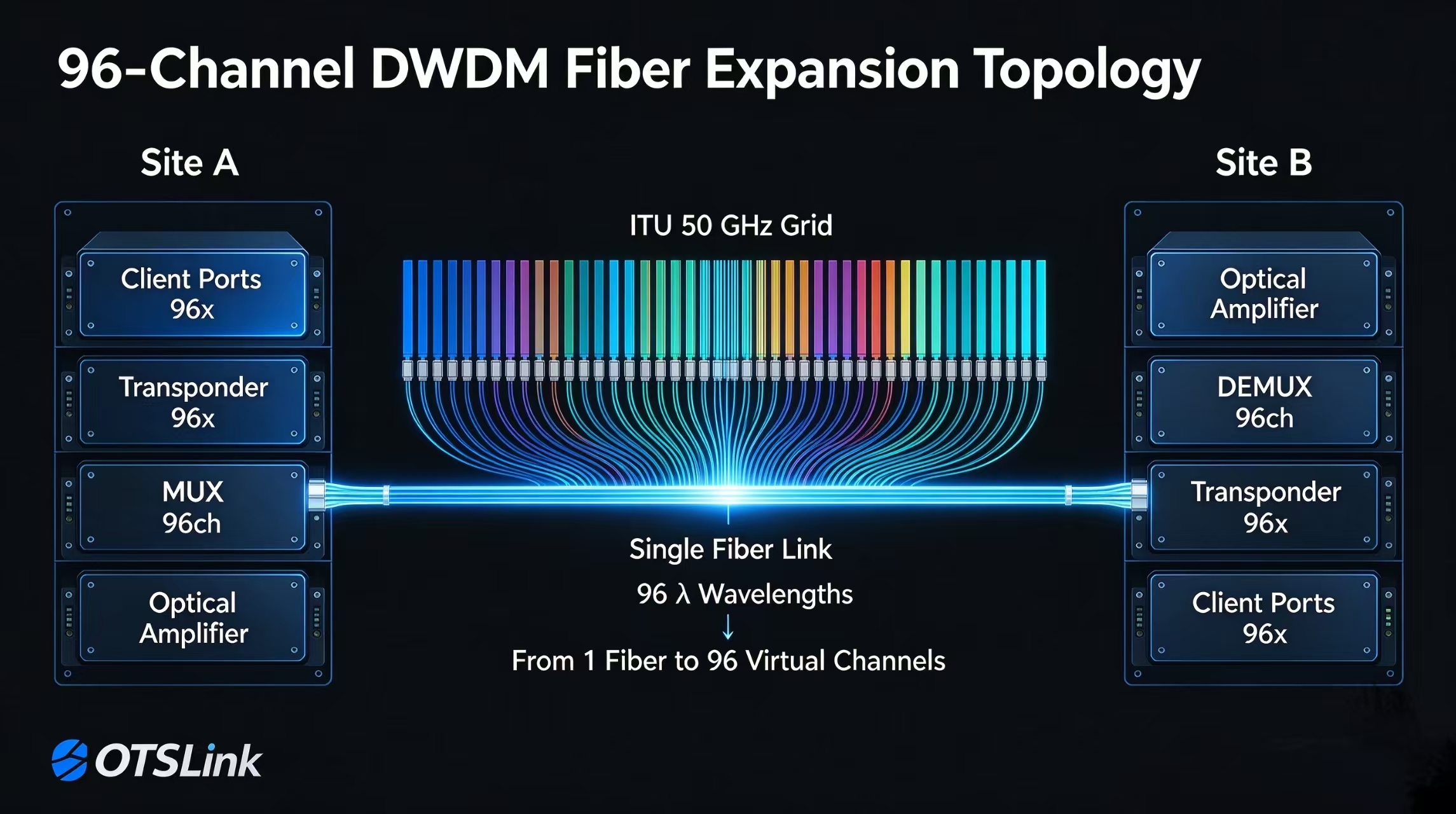
High-Density Expansion: Deploys 96-channel C-Band DWDM systems, paired with low-insertion-loss multiplexers and high-gain EDFAs, achieving Tbps-level transmission over a single fiber pair.
Single-Fiber Bidirectional: For extreme scenarios with only one available fiber, we offer BiDi DWDM solutions, enabling 40/48-channel bidirectional transmission over a single strand.
Key Data Support
Maximum Channels: 96 (C-Band Dense Grid)
Single-Fiber Capacity: Up to 9.6 Tbps (based on 100G per wavelength)
Insertion Loss: Ultra-low, < 3.5 dB (Passive MUX)
Compatibility: Compatible with all standard SFP/QSFP optical modules (Vendor Neutral)
Key Benefits
Ultimate Cost Savings: Saves over 90% in construction and leasing costs compared to laying new cables.
Plug-and-Play: Passive device design requires no power, has zero failure points, and reduces deployment time from "months" to "hours."
Smooth Evolution: Supports on-demand scaling from 4 channels up to 96 channels, protecting initial investments.
Open Compatibility: Perfectly adapts to mainstream vendor equipment like Cisco, Huawei, and Juniper, breaking vendor lock-in.
Network Scenario Topology
Next Step
Submit your network parameters (distance, rate, fiber count, equipment model) and the OTSLink engineering team will deliver a tailored design and quote.