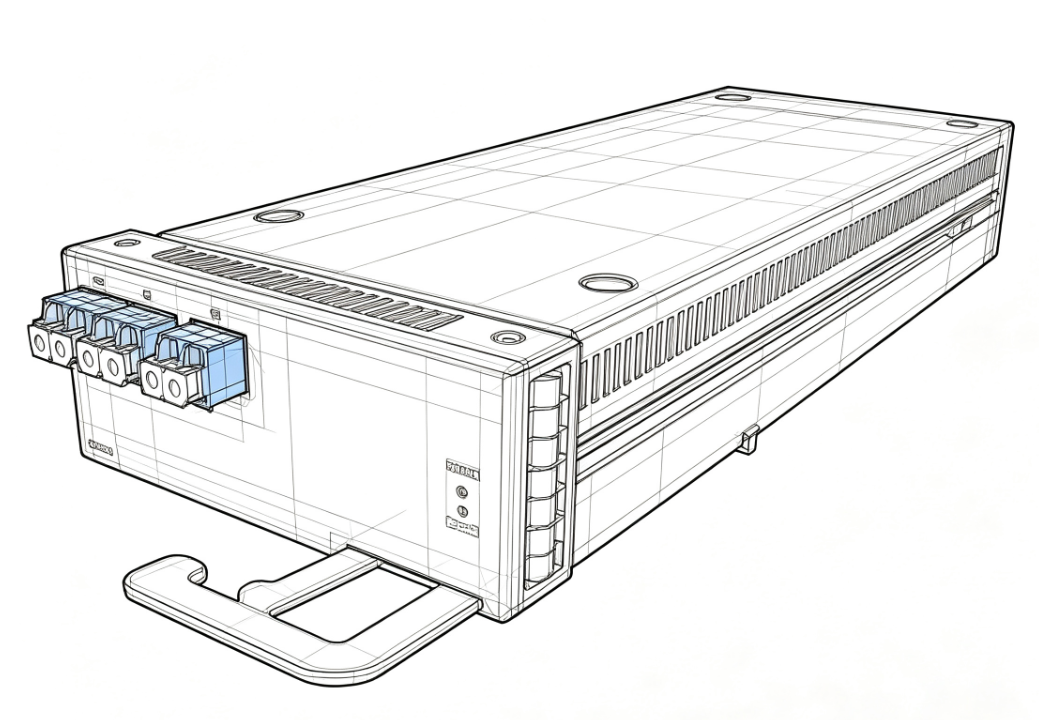
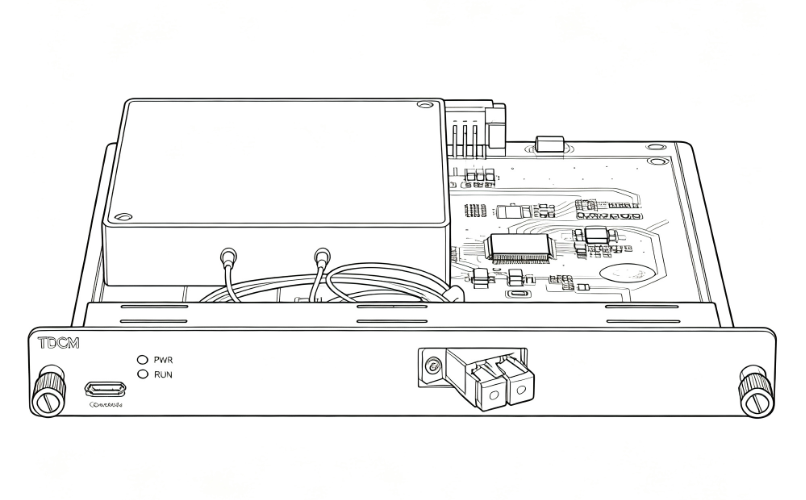
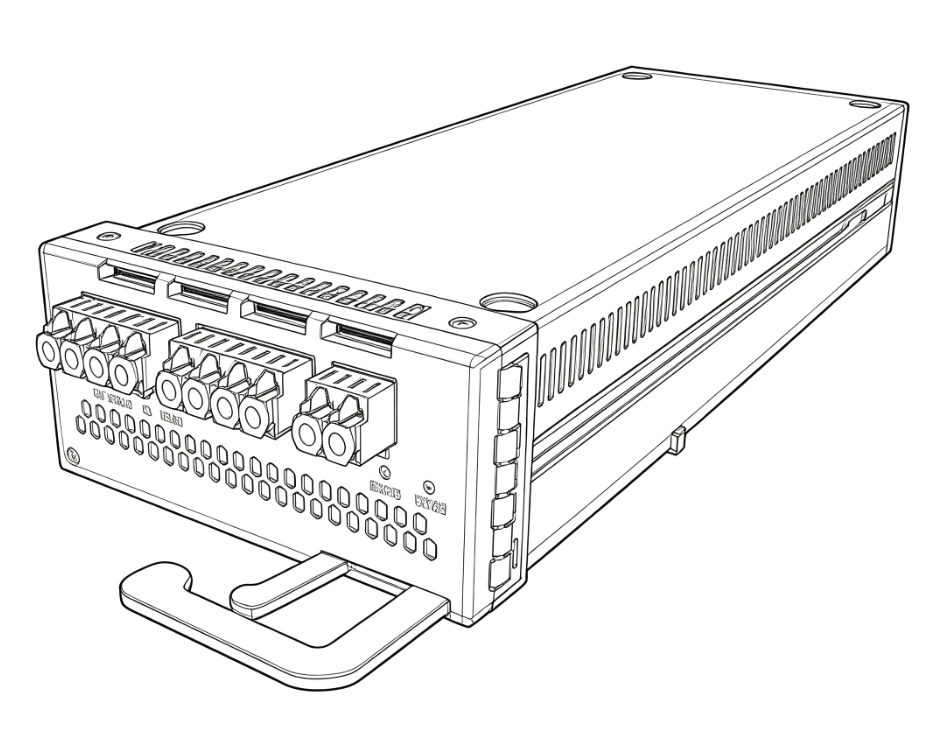
Optical Switching (ROADM/OXC) and Highly Reliable Line Protection (OLP/Switch)
OTSLink provides a full product line from basic optical path switching to all-optical WDM scheduling. It covers 1x4/2x2 mechanical optical switches, OLP automatic line protection, and ROADM/OXC optical platforms supporting 9-degree scheduling. With extremely low insertion loss, millisecond-level failover and dynamic spectrum control, your optical transport network stays uninterrupted and highly flexible.
Optical path protection vs. dynamic switching: how to choose by scenario?
| Feature Dimension | Optical Path Protection (OLP & Mech Switch) | All-Optical Switching (ROADM & OXC) |
| Core Function | Physical Layer Protection | Wavelength Layer Switching |
| Working Mechanism | Physically switches the optical path channel when the primary or standby fiber is cut | Dynamically assigns transmission paths per wavelength, no manual fiber patching required |
| Typical Interfaces | LC/SC/APC fiber interfaces, passive or actively controlled | High-density MPO interfaces with integrated WSS wavelength selective switches |
| Applicable Scenarios | Trunk cable protection, laboratory automated testing, fiber switching | Core DCI interconnects, metro optical network nodes, intra-data-center optical interconnects |
| Key Advantages | Extreme reliability: millisecond-level switching, service life of over ten million cycles | Extreme flexibility: remote configuration, wavelength reconfiguration <3 s, OCM monitoring supported |
Key Equipment Selection Points:
The physical performance of the optical switch determines the budget of the entire link. Our 1x4 mechanical optical switch features ultra-low insertion loss (typically <0.8dB) and extremely high channel isolation (≥55dB), keeping the optical signal clean even after repeated switching.
For critical service protection, the switchover must complete before the service can perceive it. Our OLP solution supports <20ms automatic switching; the mechanical optical switch offers a switching life of >10 million cycles and supports latched/latching modes to suit different automated testing needs.
ROADM/OXC equipment must support the full C-Band (1528.773-1566.73nm). Our 9-degree ROADM platform supports wavelength reconfiguration in ≤3 s, with an optional OCM (optical channel monitor) module for automated power control.
Ensure the equipment supports 1+1 unidirectional/bidirectional protection, or matrix switching (M×N) with SNMP/CLI remote control, for seamless integration into your existing NMS.
Eliminate deployment concerns and safeguard the physical and optical layers absolutely
| Customer Concerns | OTSLink Solutions |
| "Will the optical switch really survive frequent switching?" | Guaranteed by measured data: with high-precision automated mass-production processes, our mechanical optical switches pass ten-million-cycle life tests, ensuring faultless operation in laboratory testing and long-term live-network protection. |
| "Will packets be lost during automatic switchover when the fiber breaks?" | Millisecond-level lossless switching: the OLP solution features extremely low SNR degradation and very fast physical switching, perfectly avoiding the alarm timeout of upper-layer service protocols for truly imperceptible protection. |
| "ROADM wavelength configuration is too complex — afraid of misconfiguration?" | Dynamic visualized control: our 9-degree ROADM platform supports flexible remote configuration, and with the optional OCM real-time monitoring, the optical power distribution of every wavelength is clear at a glance. |
| "Insertion loss is too high and the span cannot reach far enough — what now?" | Ultimate optical performance design: we strictly control component tolerances to keep the insertion loss of 1x4 and other optical switches between 0.5dB and 0.8dB, reserving ample link OSNR margin for you. |
Typical Application Scenarios and Configuration Recommendations (Use Cases)
Long-haul trunk cable 1+1 protection (Long-haul Fiber Protection)
Recommended configuration: OLP automatic optical line protection unit
Value: Prevents total service outage when a backhoe cuts the cable. If the primary fiber is damaged, automatic switching to the standby fiber completes in milliseconds, keeping services running non-stop.
Intra-data-center and metro WDM nodes (DCI & Metro Nodes)
Recommended configuration: OTS-9D-ROADM optical add/drop multiplexing platform
Value: Compact 1/2-slot form factor with arbitrary C-Band wavelength scheduling. When traffic flows change, no on-site manual patching is needed — the NMS issues one command and reconfiguration completes in 3 seconds.
Laboratory automated testing and optical matrix switching (Lab Automation & Matrix Switching)
Recommended configuration: 2-Channel 2x2 mechanical optical switch
Value: In optical component testing and optical module aging tests, electrical signals control the latching and switching of optical paths, enabling automated test pipelines and greatly improving test efficiency.
Sample Trial & Support
Validate absolute safety at the physical layer (Validate Physical Layer Safety)
Optical switching and protection are the network's last line of defense. OTSLink provides rigorous sample validation support:
Optical specification reports: factory test reports covering insertion loss, crosstalk, return loss and more are provided with every shipment.
Life and switching tests: customers are supported to run stress tests in their own laboratories, verifying the response time and long-term stability of mechanical optical switches.
Customization support: targeted configuration proposals based on your live-network fiber type (single-mode/multi-mode) and interface type (LC/SC/MPO).
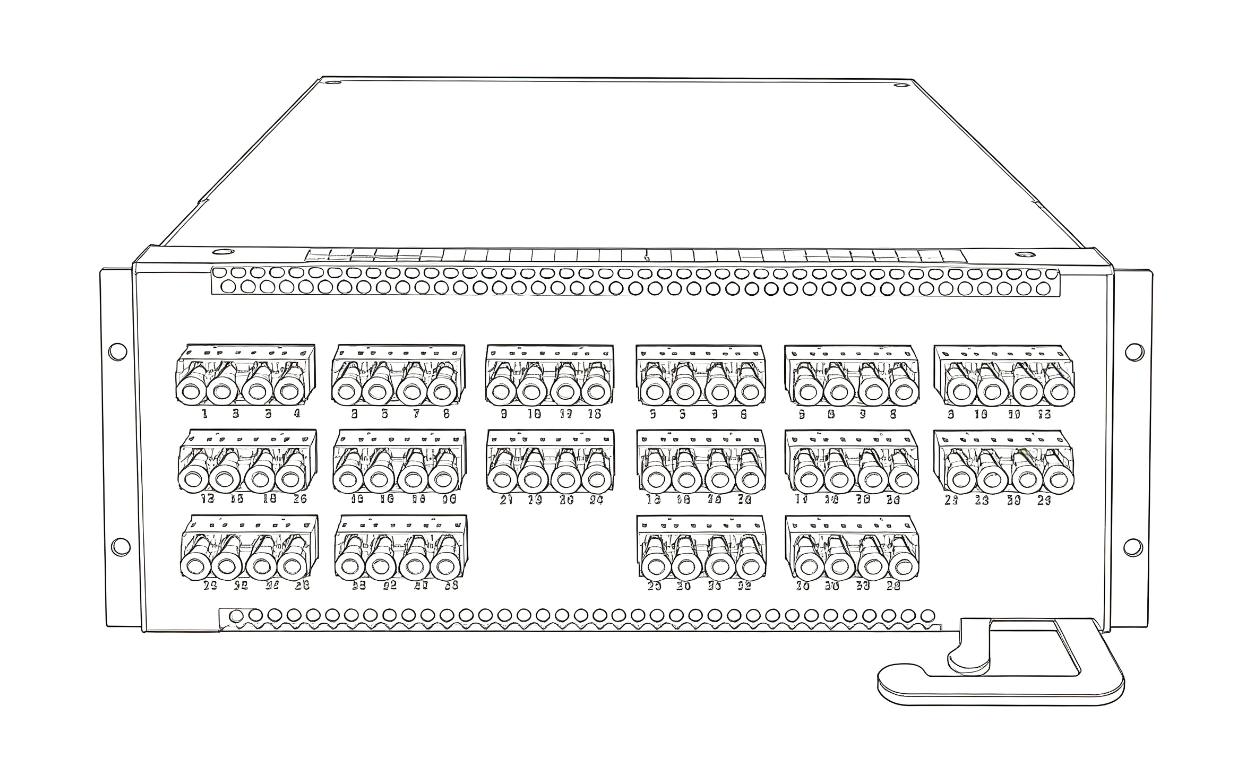
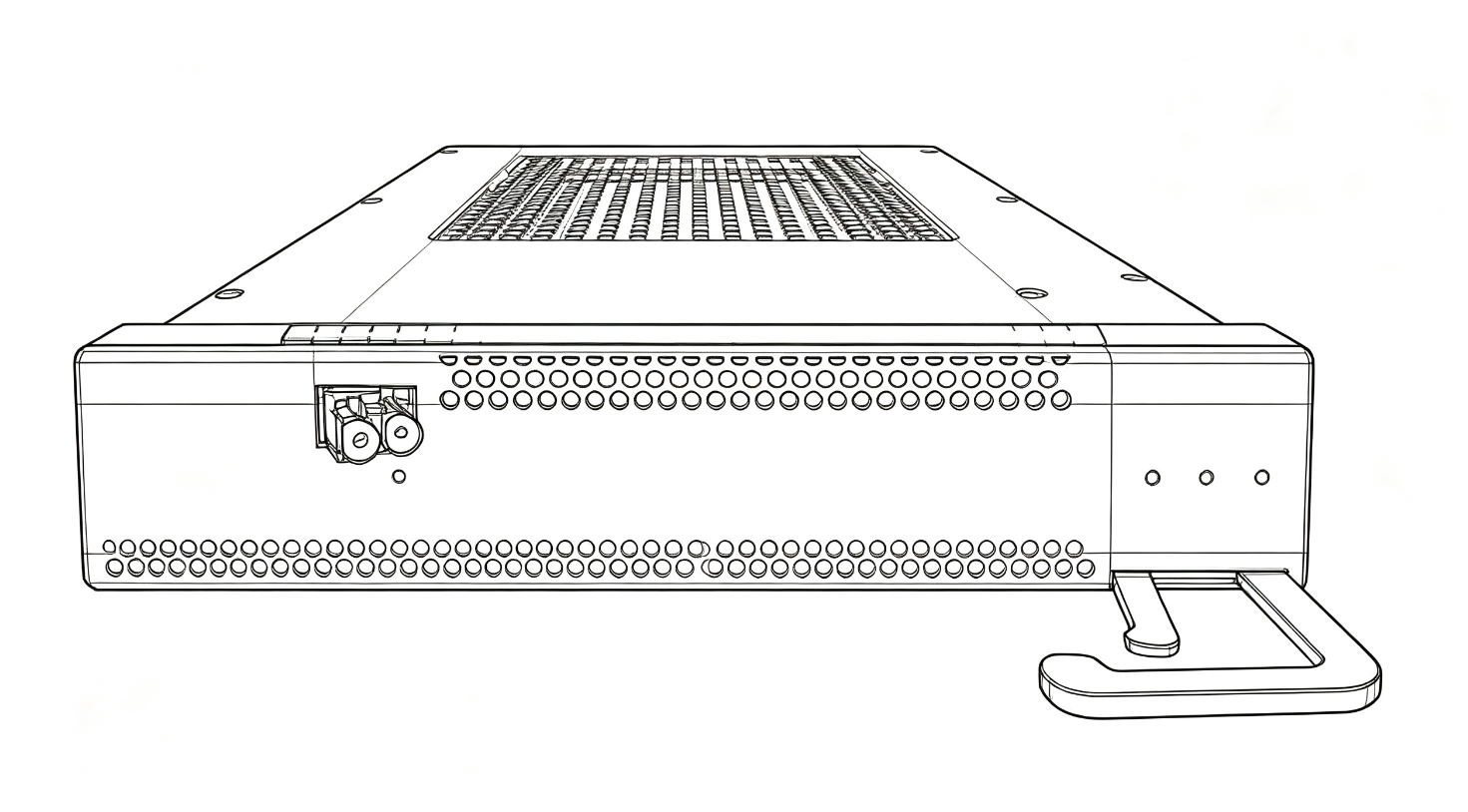
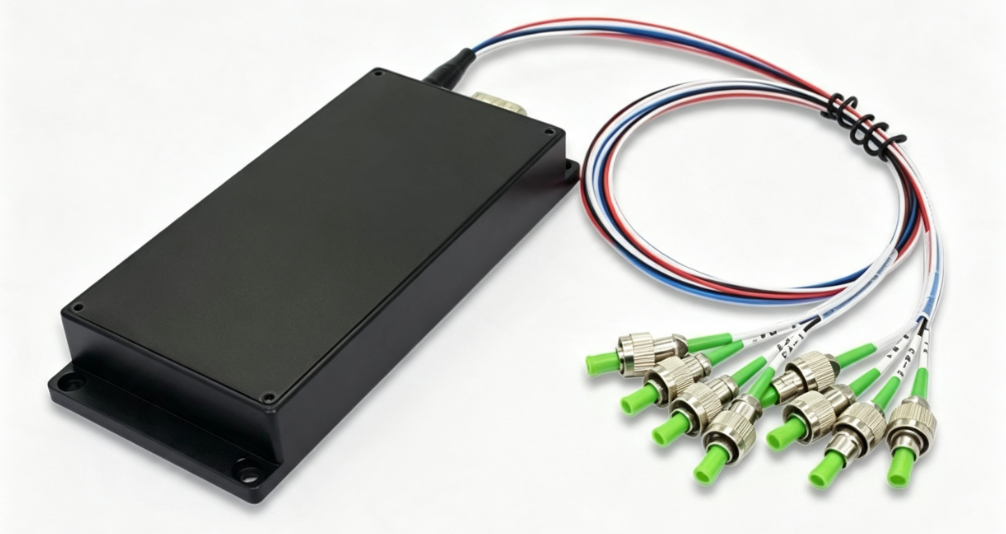
2x2 mechanical optical switch, low insertion loss, high isolation, latching/non-latching, 10M+ cycle life.
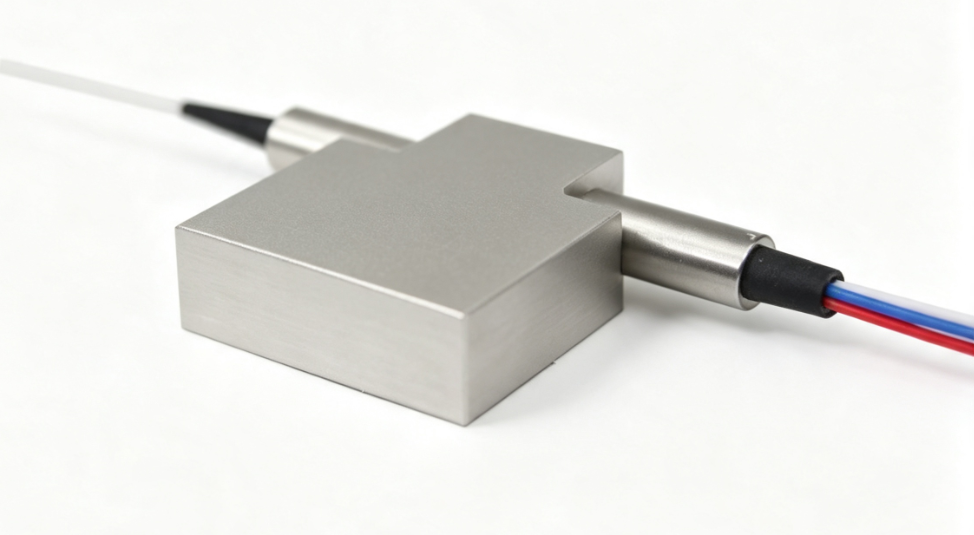
1x4 mechanical optical switch, insertion loss 0.5-0.8dB, crosstalk >=55dB, 1260-1650nm, epoxy-free.
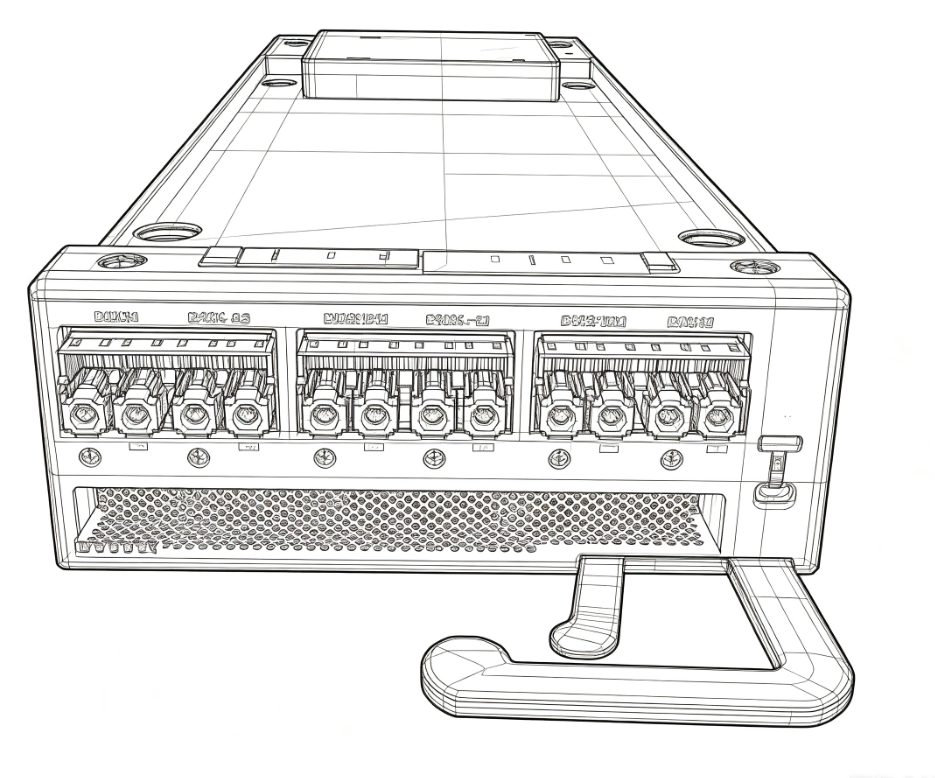
Pluggable dual-fiber DWDM OADM module with 2x4 customizable add/drop channels, built-in VOA, and TFF technology for low loss and high isolation.