| Feature Dimension | MXP (Muxponder) e.g. OTS-200G-MXP-SFP / OTS-400G-MXP-DD | Transponder (access unit) e.g. OTS-400G-2TP-CFP2 / OTS-400G-4TP-DD |
| Core Function | Multi-service aggregation | High-speed transparent transport (Passthrough/Transport) |
| Typical Application | Multiplexes and maps multiple low-speed client signals (e.g. 10G SFP+) onto a single high-speed line-side wavelength (e.g. 200G CFP2) | Directly converts high-speed client signals (e.g. 400G QSFP-DD) into line-side coherent optical signals for long-distance transmission |
| Port Density | High-density access: 20×10G or 4×100G access in a single slot | High-bandwidth throughput: large-granularity services at 2×400G or 4×400G per slot |
| Target Scenarios | 5G fronthaul/backhaul aggregation, enterprise leased-line access, data center edge interconnect | Core router interconnect, DCI backbone transport, high-bandwidth scheduling between AI computing clusters |
| Power Advantage | Ultimate energy efficiency: total power <100W (200G MXP), sharply reducing cost per transmitted bit | High-performance modulation: supports DP-16QAM/PCS-16QAM, balancing capacity and reach |
Key Selection Criteria
1. Form Factor & Interoperability
CFP2-DCO: ideal for legacy WDM system upgrades or long-haul transmission, with excellent heat dissipation and support for higher-order modulation (e.g. OTS-400G-MXP-CFP2).
QSFP-DD: ideal for high-density, short-reach DCI scenarios; OpenZR+ compliant and plugs directly into switches (e.g. OTS-400G-4TP-DD).
The OTSLink advantage: our line cards are designed in full compliance with OIF/OpenROADM standards, ensuring seamless interoperability with third-party optical modules and switches.
2. Programmable Modulation
Network conditions constantly change, so line cards must support flexible adjustment of baud rate and modulation format.
OTSLink capability: software-defined switching from DP-QPSK (long haul) to DP-16QAM/PCS-16QAM (high capacity). For example, the OTS-200G-2MXP-CFP2 adapts dynamically to link OSNR, delivering elastic reach from 800km (200G) up to 2500km (100G).
3. Power Efficiency
In data center cabinets with limited space, power consumption is the decisive factor.
Field-tested data: the OTS-200G-MXP series keeps total power <100W, saving over 30% versus traditional proprietary equipment and significantly reducing OPEX.
Common Pre-Sales Concerns and Solutions
| Customer Concerns | OTSLink Solutions |
| “How far can your line cards go? Is the link budget sufficient?” | Pre-simulation reports: at the pre-sales stage we already deliver detailed OSNR and dispersion budget calculations based on fiber type and span loss, ensuring 100G/200G/400G signals meet the bit error rate target at the required distance. |
| “Will they interoperate with my existing Cisco/Arista switches?” | Extensive interoperability testing: our MXP/Transponder cards have passed interoperability testing with major vendors and support standard FEC and the OpenZR+ protocol. |
| “Will commissioning be complicated?” | Standardized management interfaces: SNMP/Netconf/YANG model support makes integration into your existing NMS easy, with visual configuration and alarm monitoring. |
| “What if on-site optical power falls short of spec?” | Paired adjustable-gain optical amplification: we provide matching EDFA/Raman amplifier solutions, with fine-grained power tuning at the card side to cope with complex field network conditions. |
Typical Use Cases
5G Mobile Backhaul Aggregation
Recommended configuration: OTS-200G-MXP-SFP
Value: aggregates base station traffic efficiently through 20 10G SFP+ ports in a single slot and carries it to the core network over a single 200G wavelength, conserving fiber resources.
Data Center Interconnect (DCI) - Core Layer
Recommended configuration: OTS-400G-4TP-DD
Value: provides an ultra-high-bandwidth 4×400G (1.6T) pipe between two core data centers, with QSFP-DD direct router attachment and extremely low latency.
Metro WDM Ring Upgrade
Recommended configuration: OTS-400G-MXP-CFP2
Value: leverages the long-reach capability of CFP2 to carry 4×100G services transparently over existing metro fiber, expanding capacity without replacing cable.
Sample Trial & Support
Ready to test?
We know how critical stability is for optical transport equipment. OTSLink offers a flexible Sample Trial program:
Fast shipping: standard MXP/Transponder cards are in ample stock.
Technical support: detailed CLI configuration guides and optical port parameter tables ship with every order.
Worry-free validation: hands-on performance validation in your own lab environment for 2-4 weeks.
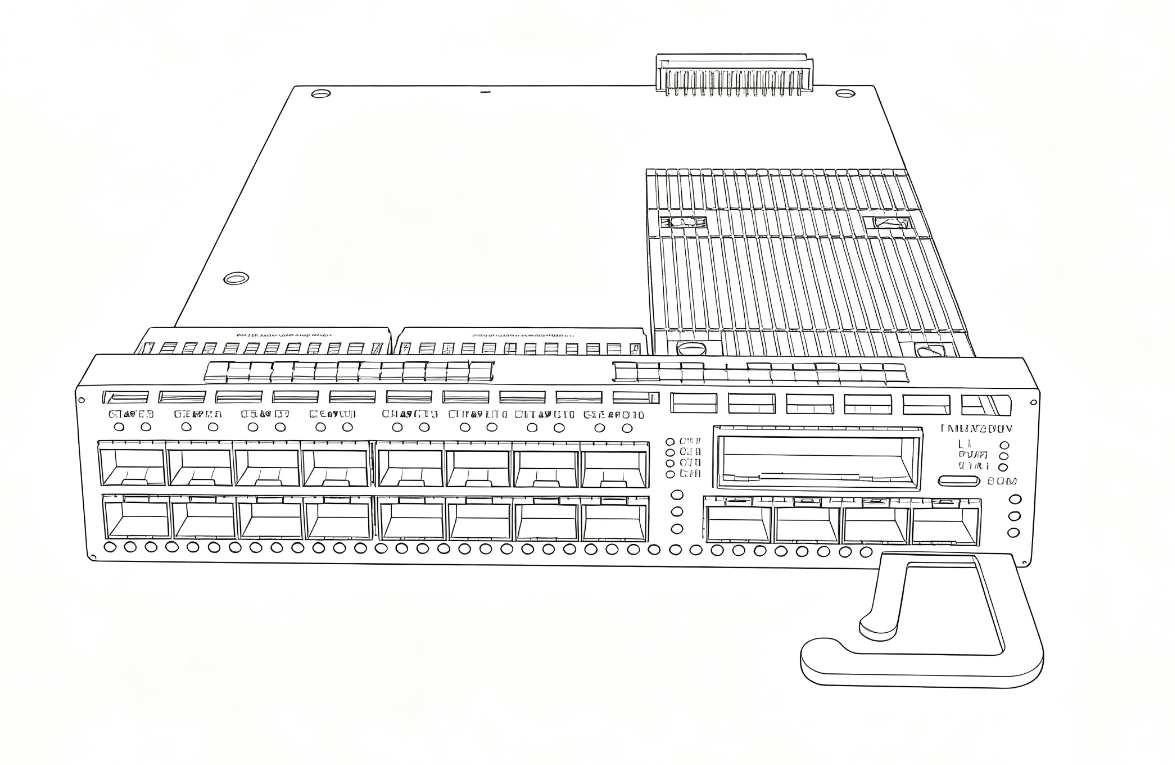
200G coherent MXP, 20x 10G SFP+ client + 1x 200G CFP2 DCO line, multi-service aggregation, <100W.
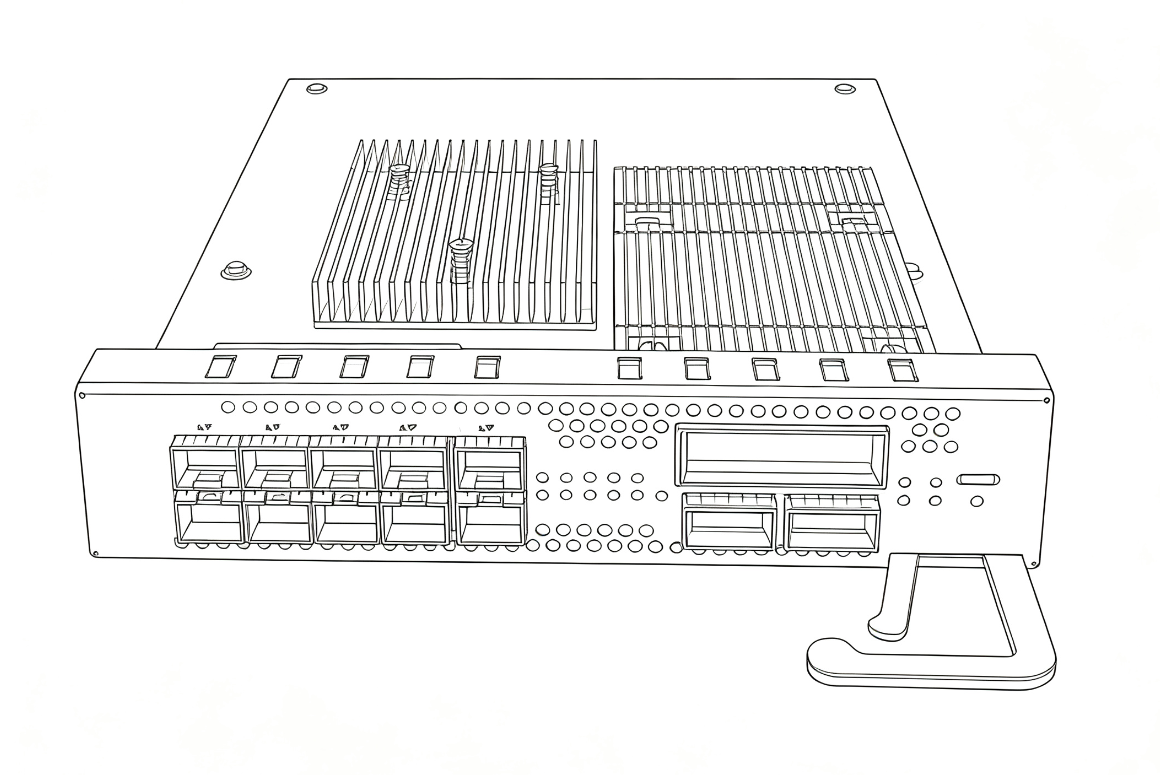
200G coherent hybrid MXP, 2x 100G QSFP28 + 10x 10G SFP+ client + 1x 200G CFP2 DCO line, <100W.
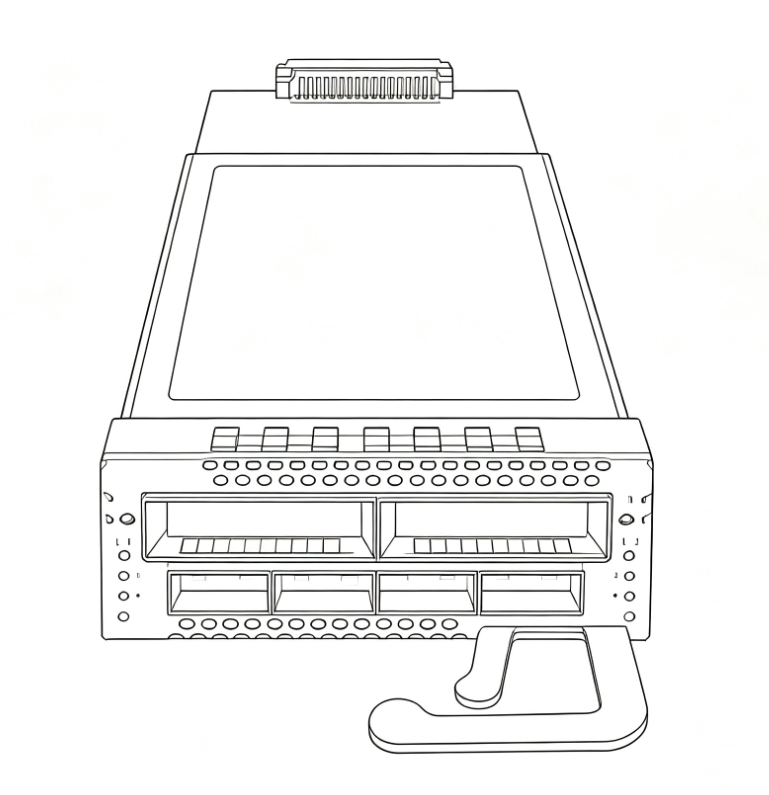
200G coherent MXP: 4x QSFP28 client + 2x CFP2 DCO line, up to 2500km @100G DP-QPSK / 800km @200G DP-16QAM.
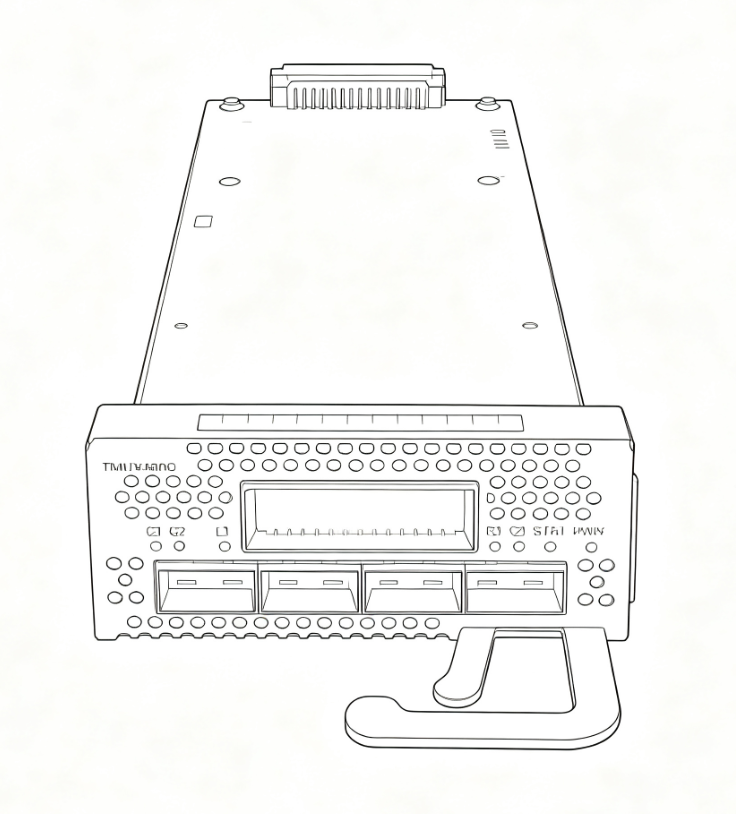
400G coherent MXP: 4x QSFP28 client + 1x CFP2 DCO line, programmable modulation from 100G DP-QPSK to 400G DP-16QAM.
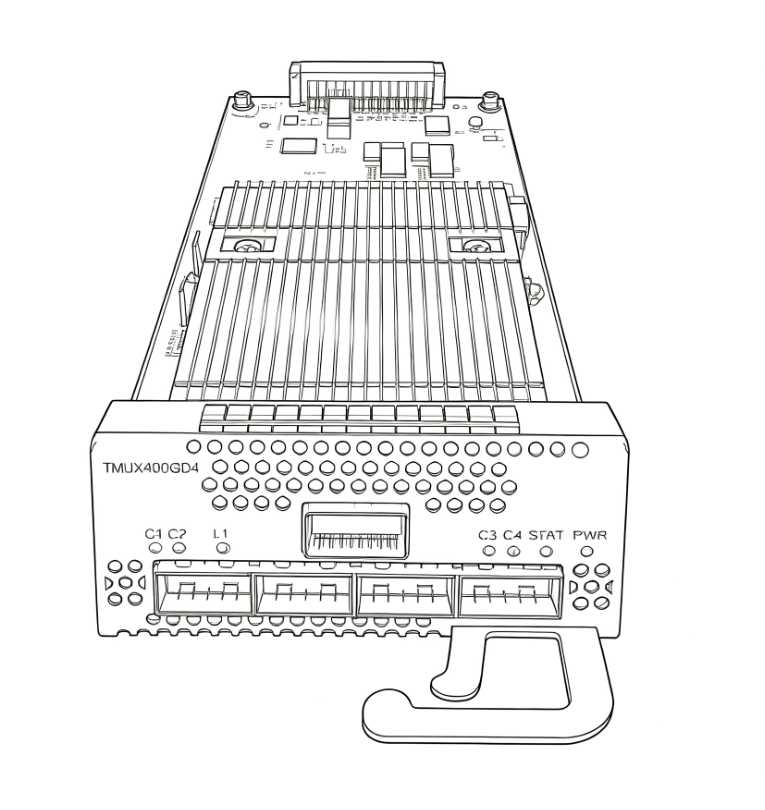
400G coherent MXP: 4x QSFP28 client + 1x QSFP-DD DCO line, programmable, OpenROADM/OpenZR+ compliant.
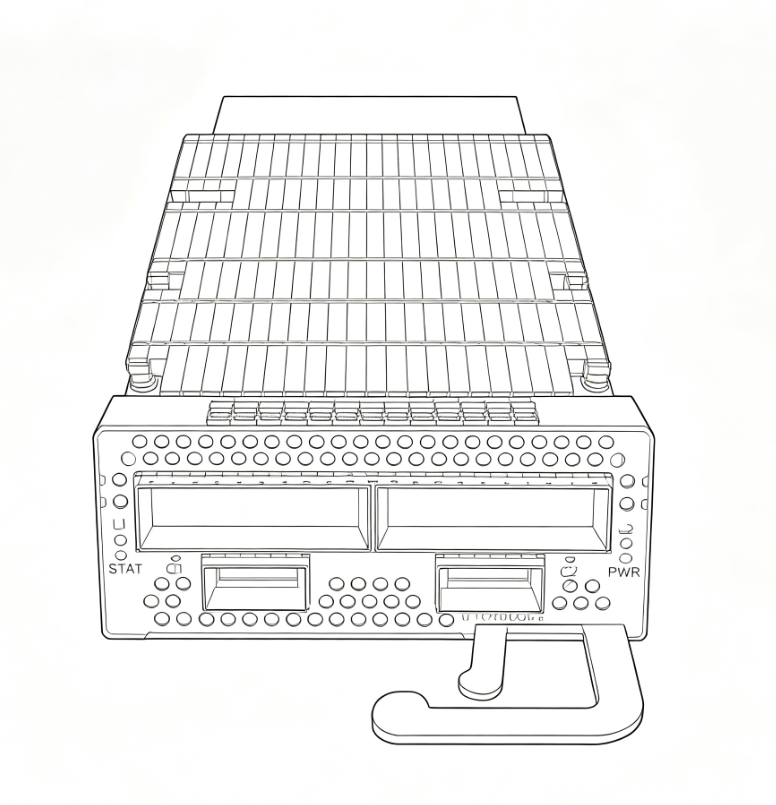
400G coherent access unit: 2x QSFP-DD client + 2x CFP2 DCO line, OpenROADM/OpenZR+ programmable, DP-16QAM / PCS-16QAM.
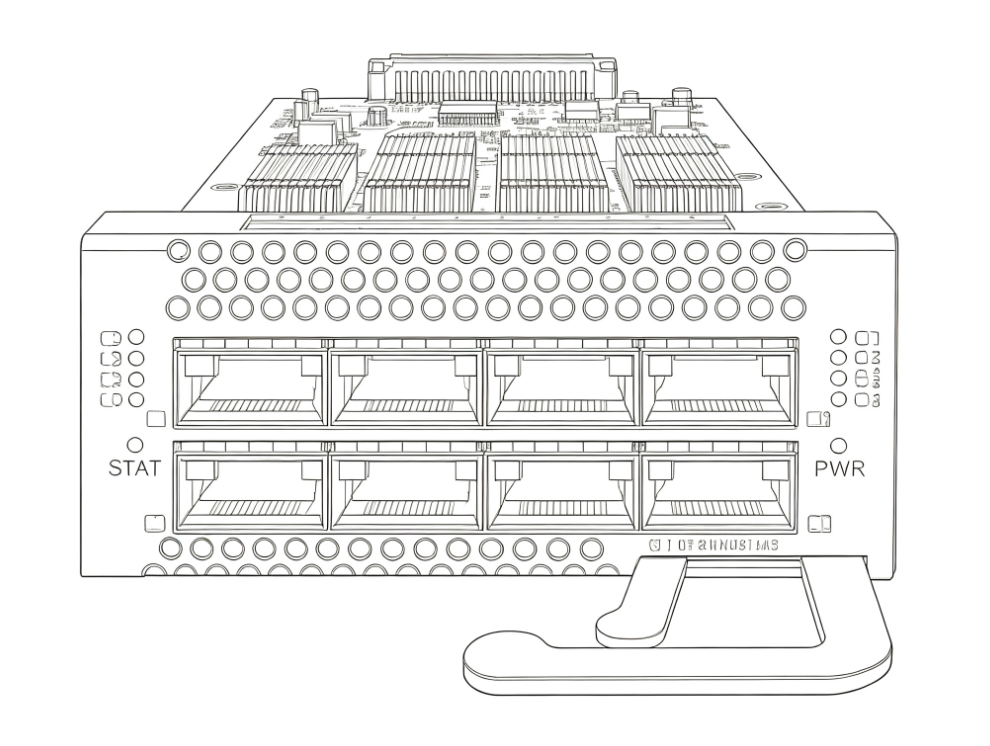
400G coherent transponder, 4x QSFP-DD client + 4x QSFP-DD DCO line, OpenROADM/OpenZR+ programmable, DP-16QAM / PCS-16QAM.