OTN (Optical Transport Network, ITU-T G.709) is a transport architecture that adds electrical-layer framing and switching on top of the WDM optical layer: client services (Ethernet, SDH, FC, CPRI, etc.) are encapsulated into standard ODUk granules, cross-connected and protected in the electrical layer, then mapped onto optical wavelengths for long-haul transmission. OTN transmission systems combine WDM's capacity with SDH-grade manageability, and are the mainstream platform for carrier backbones, financial private networks and multi-service enterprise transport.
Passive WDM suits point-to-point, single-service, zero-touch short-reach expansion; OTN transmission systems provide electrical-layer switching, multi-service access, protection switching and unified management, fitting multi-node topologies, mixed service loads and carrier-grade SLAs. For the positioning differences, see Passive WDM vs Active WDM: A Selection Guide. Note that modern OTN platforms are typically designed as integrated "electrical-layer OTN + optical-layer WDM" — the two layers are not an either/or choice.
| Dimension | Key considerations |
|---|---|
| Per-wave/total capacity | Select 100G/200G/400G per wave and channel count (40/80/96) against a 3-5 year traffic forecast; reserve expansion slots |
| Client interfaces | Variety and density of service cards — GE/10GE/100GE/OTU4/FC/CPRI |
| Protection | 1+1 line protection, OCh rings, ODUk SNCP electrical-layer protection; switching time vs cost trade-offs |
| Link budget | Span loss, EDFA gain plan, OSNR margin — method in the link budget guide |
| Latency | For latency-sensitive applications such as trading, account for fixed latency from FEC codecs and electrical-layer processing |
| Operations | Completeness of OSC, OTDR, performance measurement and NETCONF/YANG automation |
Today's OTN platforms evolve along three main lines. First, per-wavelength rates are advancing from 400G toward 800G/1.2T, with 130G+ baud devices and C+L band extension pushing single-fiber capacity toward the 96Tb/s class. Second, architectures are opening up and disaggregating — open interfaces such as OpenROADM and NETCONF/YANG unify multi-vendor management, cutting the cost of private-line provisioning and expansion. Third, packet capabilities are converging into OTN: peOTN/enhanced OTN for 5G and cloud private networks supports FlexE and packet slicing alongside ODUk, combining hard isolation with statistical multiplexing for multi-service transport.
OTN transmission systems are widely deployed for 100G/400G wavelength transport on carrier metro and inter-provincial backbones; same-city dual data centers and remote disaster-recovery private lines for financial institutions (50ms-class switchover via electrical-layer protection); multi-cloud private lines and IDC interconnects for enterprises (Muxponders aggregating multiple client wavelengths); and 5G backhaul carrying large-granularity traffic from CRAN sites to the core. For scenarios within ~120km where traffic is mostly Ethernet, simplified DCI built on pluggable coherent modules (400ZR/OpenZR+) is a lower-cost alternative to OTN — the two can be layered according to service tier.
OTSLink provides the OTS-100 through OTS-12800 series of OTN/WDM transport platforms plus a full line of optical components, with solutions customizable by capacity, topology and protection class. Contact us via the inquiry link for network design advice.
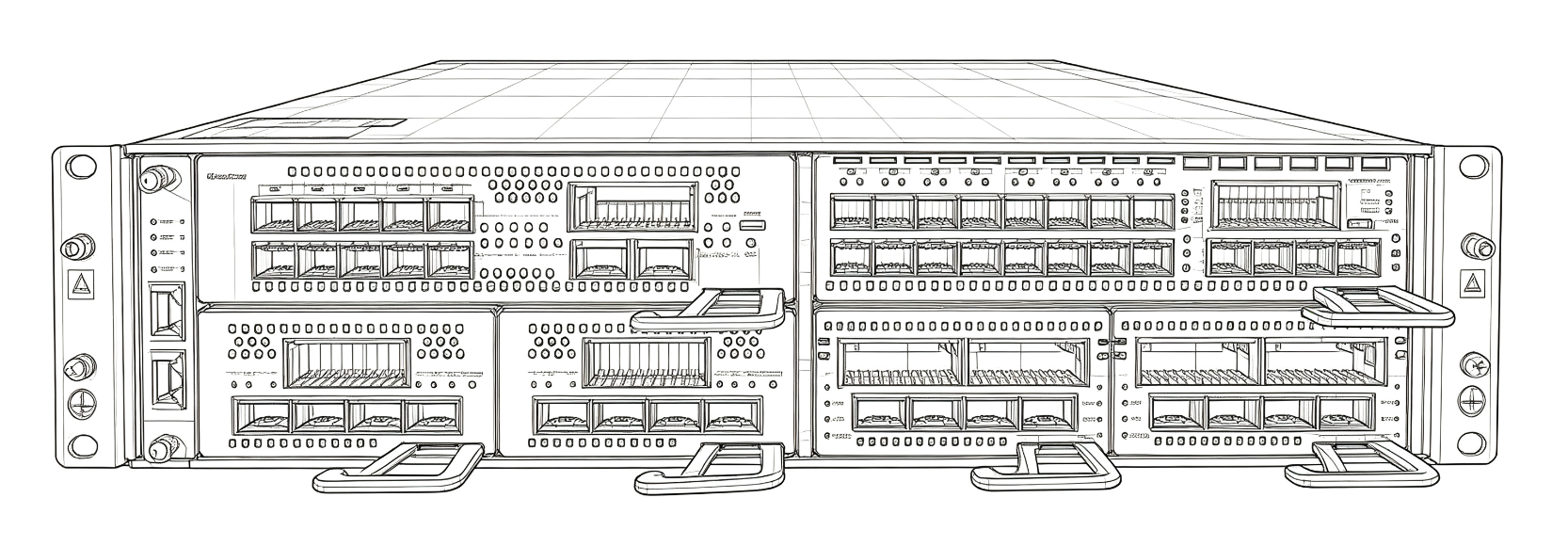
Classic 100G WDM device with point-to-point transparent transport, mature supply chain and high reliability — the entry choice for foundational optical networks.
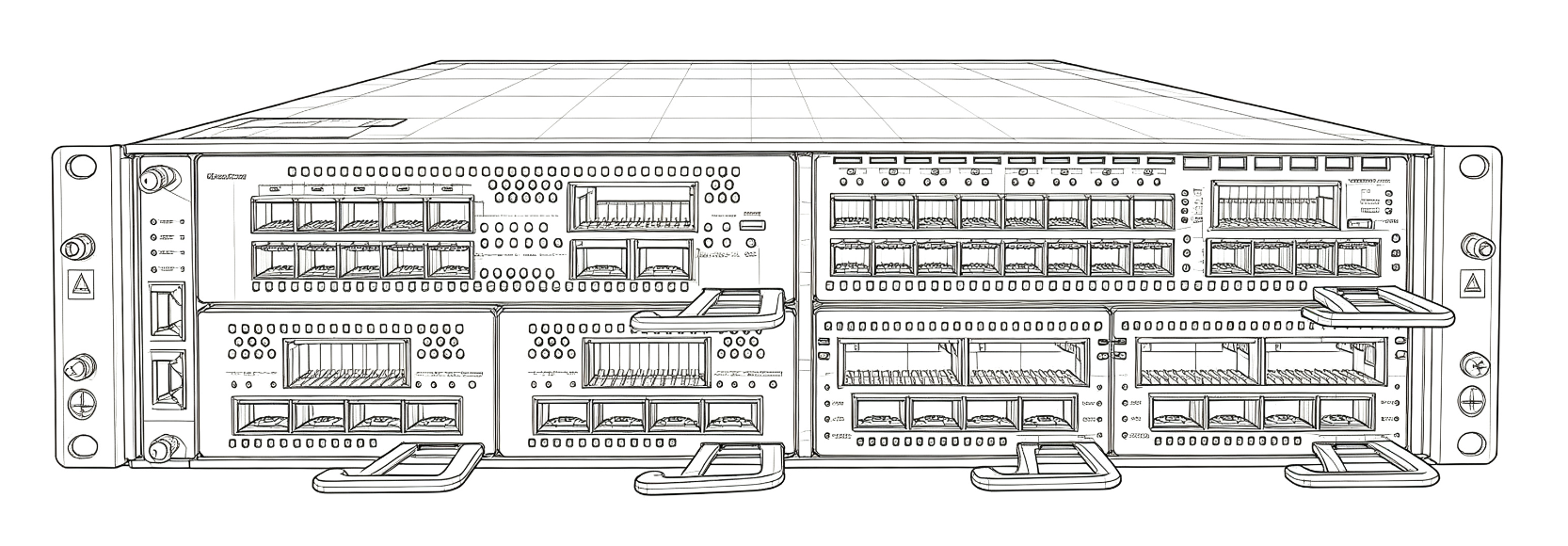
Flexible agile 400G WDM access device with multi-rate adaptation and soft-decision FEC for extended unrepeatered reach — branch nodes and 5G backhaul.
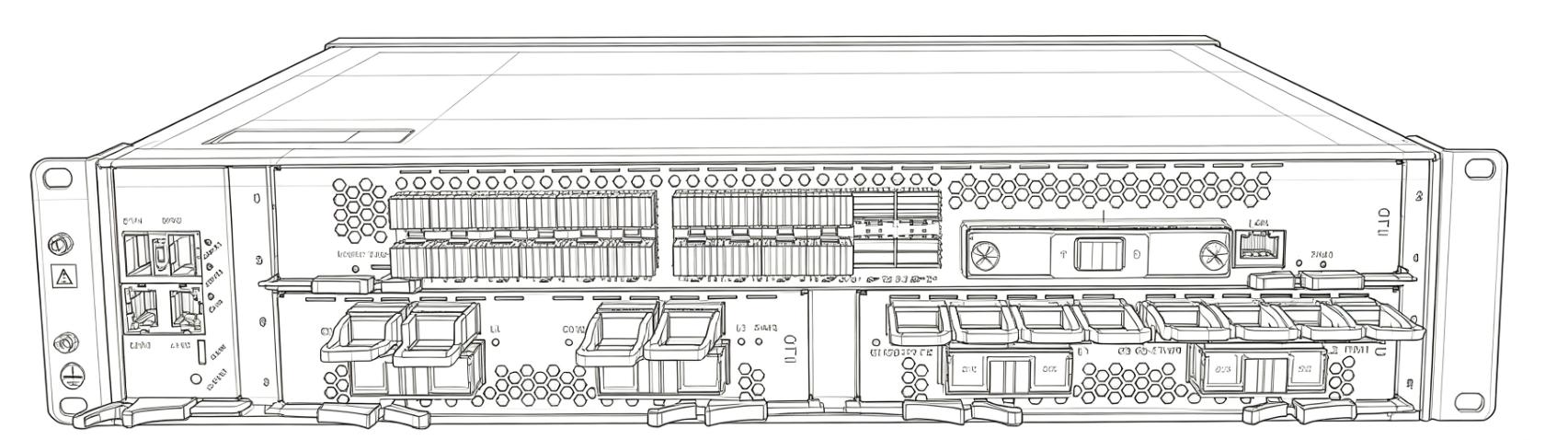
Entry-level lightweight WDM device with single-wave 800G, plug-and-play and simple ops for enterprise high-bandwidth access.
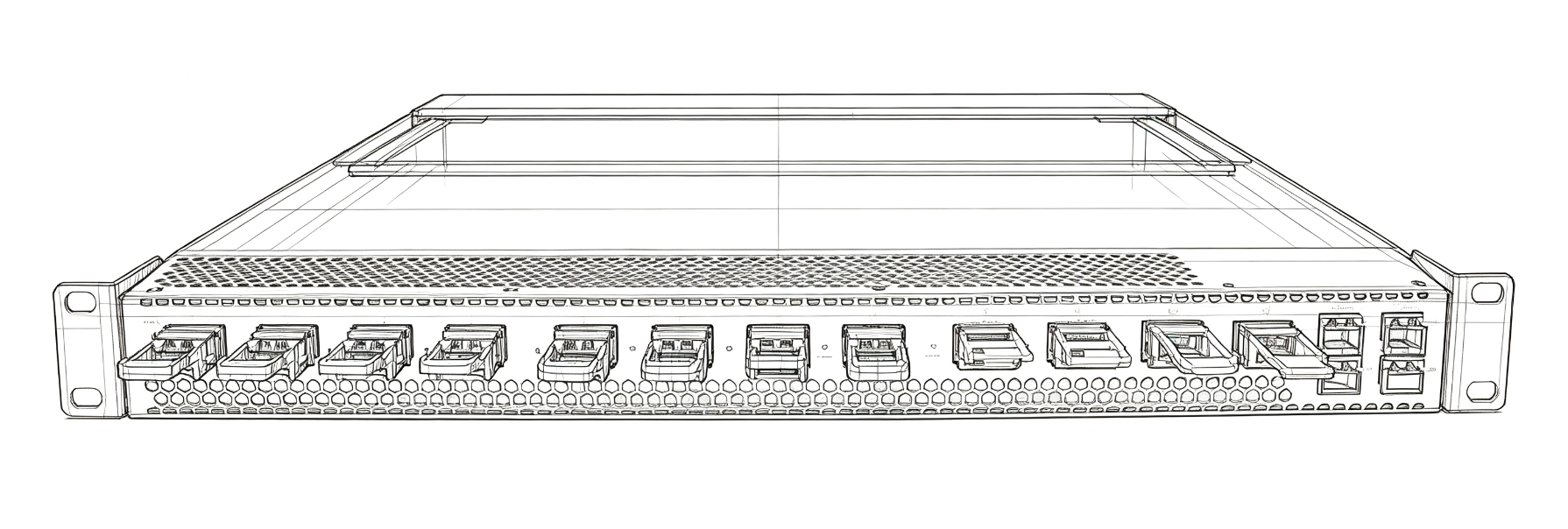
OTS-1200-DCI compact integrated WDM device — 1RU, up to 1.2Tbps (12×100G), fiber-integrated, switch-like plug-and-play.
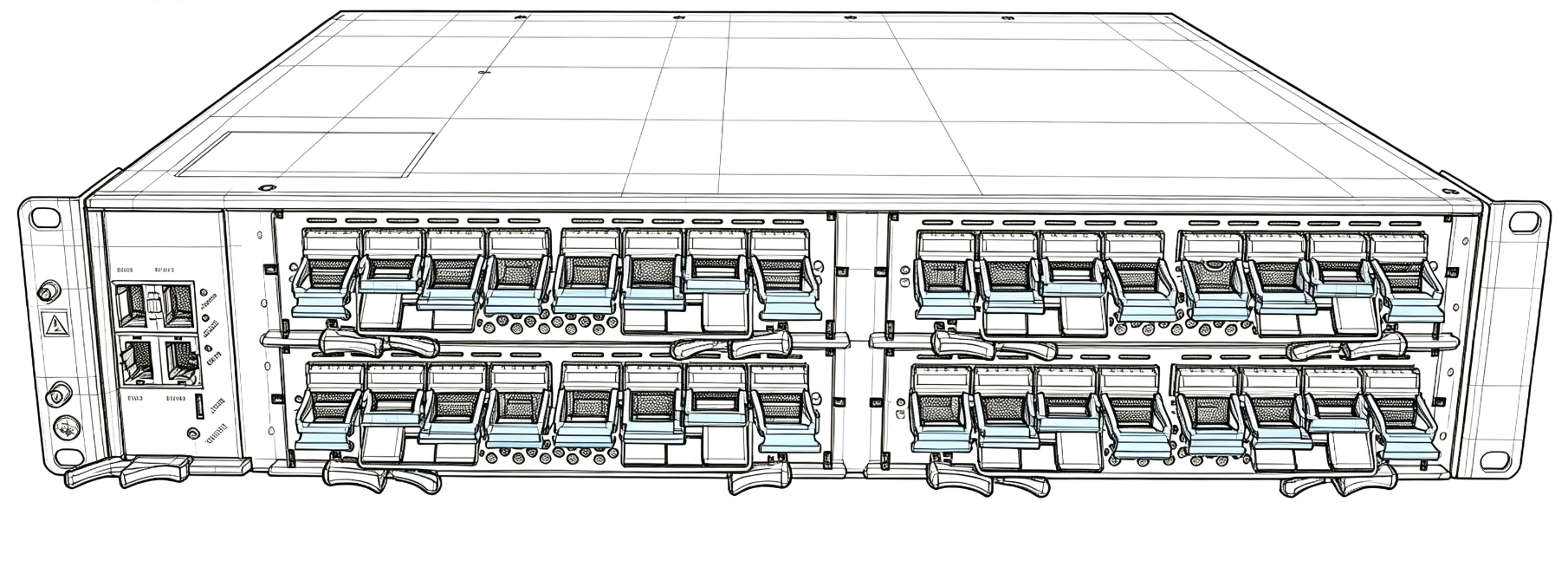
OTS-6400-DCI high-rate DWDM transport, up to 6.4Tbps, 7nm coherent DSP at 12W/100G, with Super Channel.
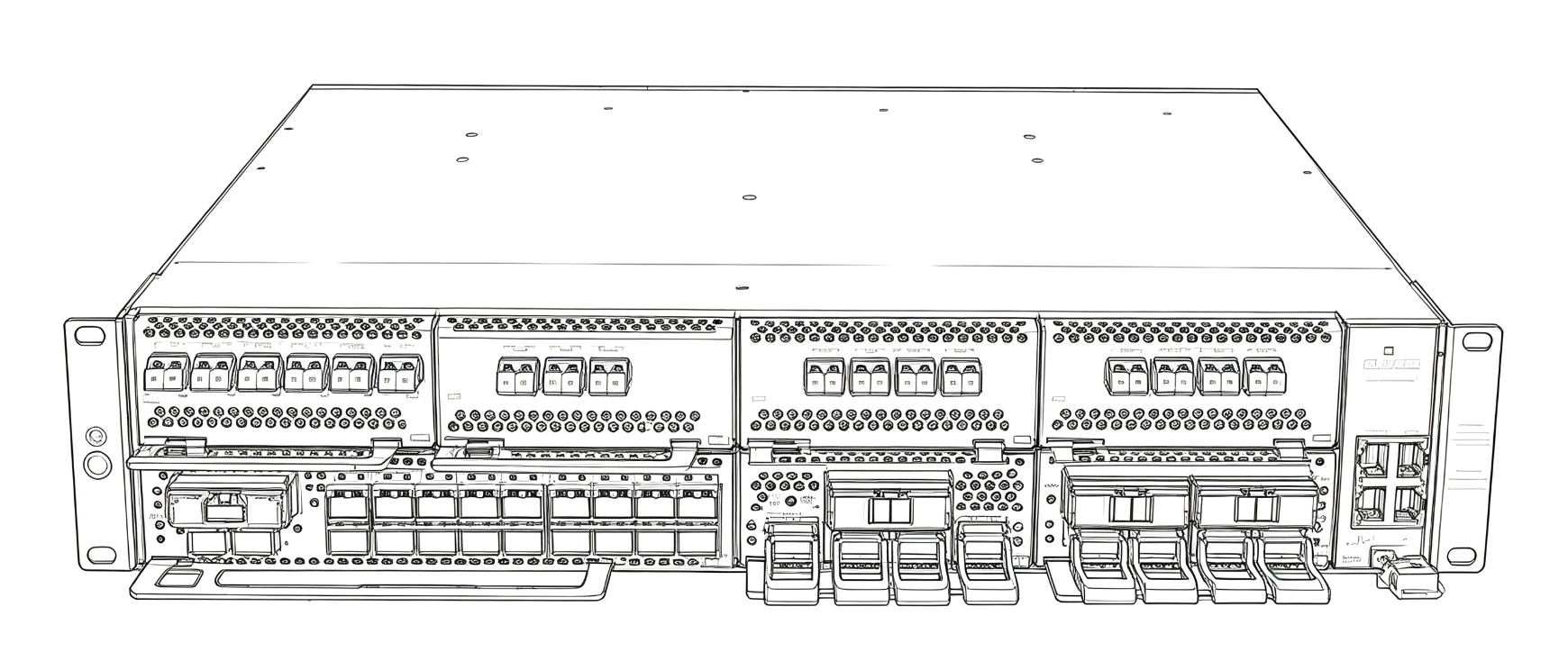
OTS-12800-DCI is a flagship integrated opto-electronic DWDM transport platform for DCI — 12.8Tbps/subrack, 32Tbps/fiber-pair, 800G per wave, 9-dimension ROADM.